Compliance with CMVR Safety Glazing Standards

Glass Film
Safety Regulations in India

Know the legal and safety framework for automotive glass films before you choose a shade. India sets minimum Visible Light Transmission (VLT): 70% on windscreens and rear glass, 50% on side windows. Selected Ultraguard films meet VLT limits.

CMV Rule 100 IS 2553 (Part 2) (First Revision): 2019
70%
Min VLT · Windscreen & Rear
50%
Min VLT · Side Glasses
100
CMV Rule Number
2021
Amendment In Force
CMV Rules & Regulations

How Dark Can Your Glass Be?

What is VLT?

Visible Light Transmission is the percentage of visible light that passes through the glass and film together. Higher number means clearer glass. CMV Rule 100 and IS 2553 (Part 2) (First Revision): 2019 set the minimum, subject to periodic amendments.

70%

Windscreen & Rear Glass

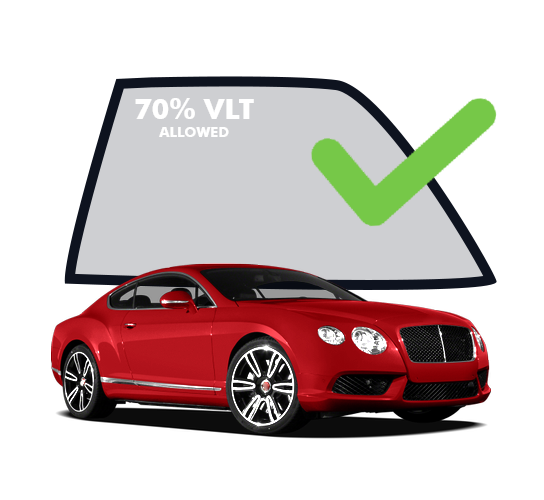
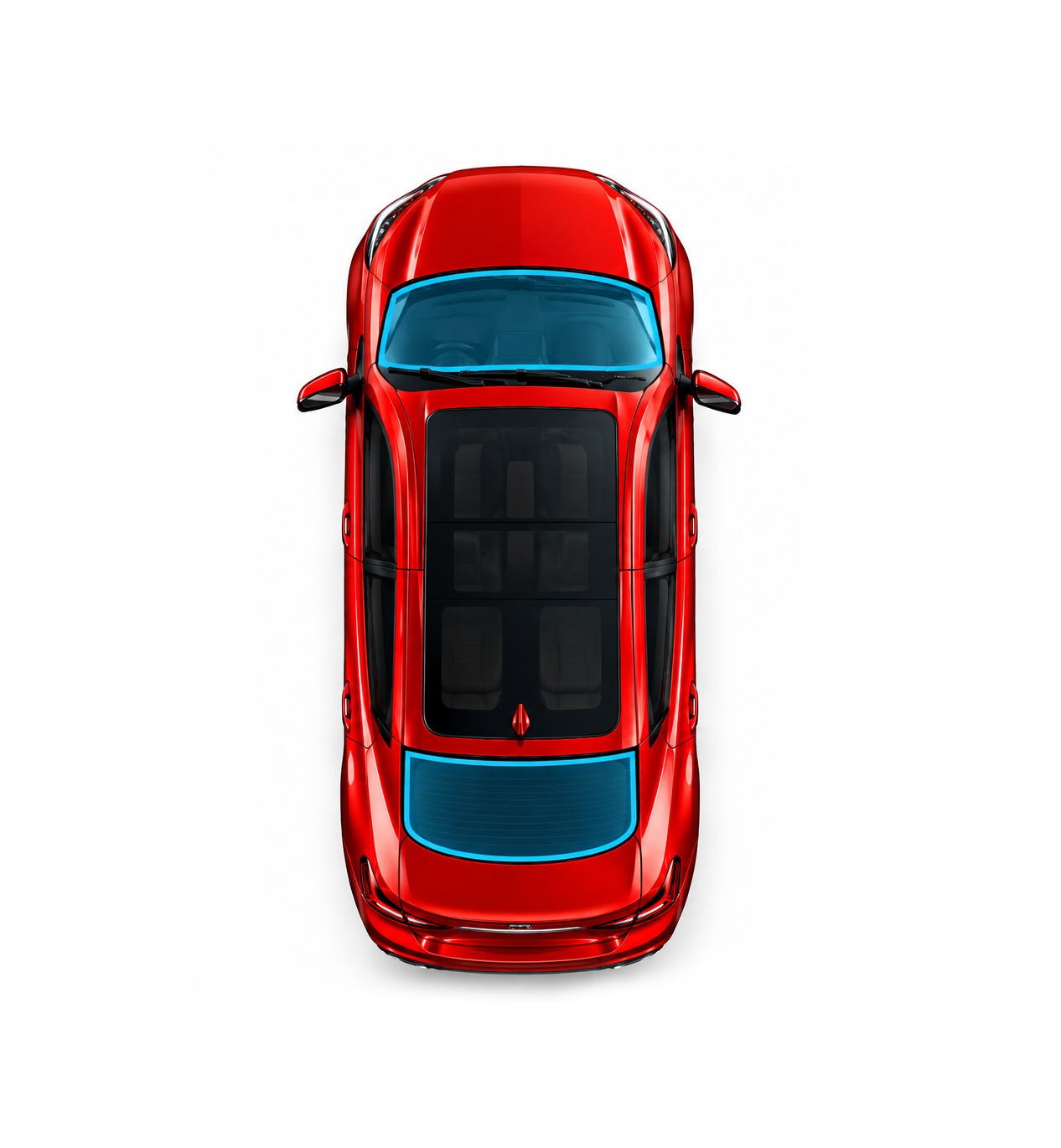
At least 70% of visible light must pass through.

50%

Side Glasses

At least 50% of visible light must pass through.

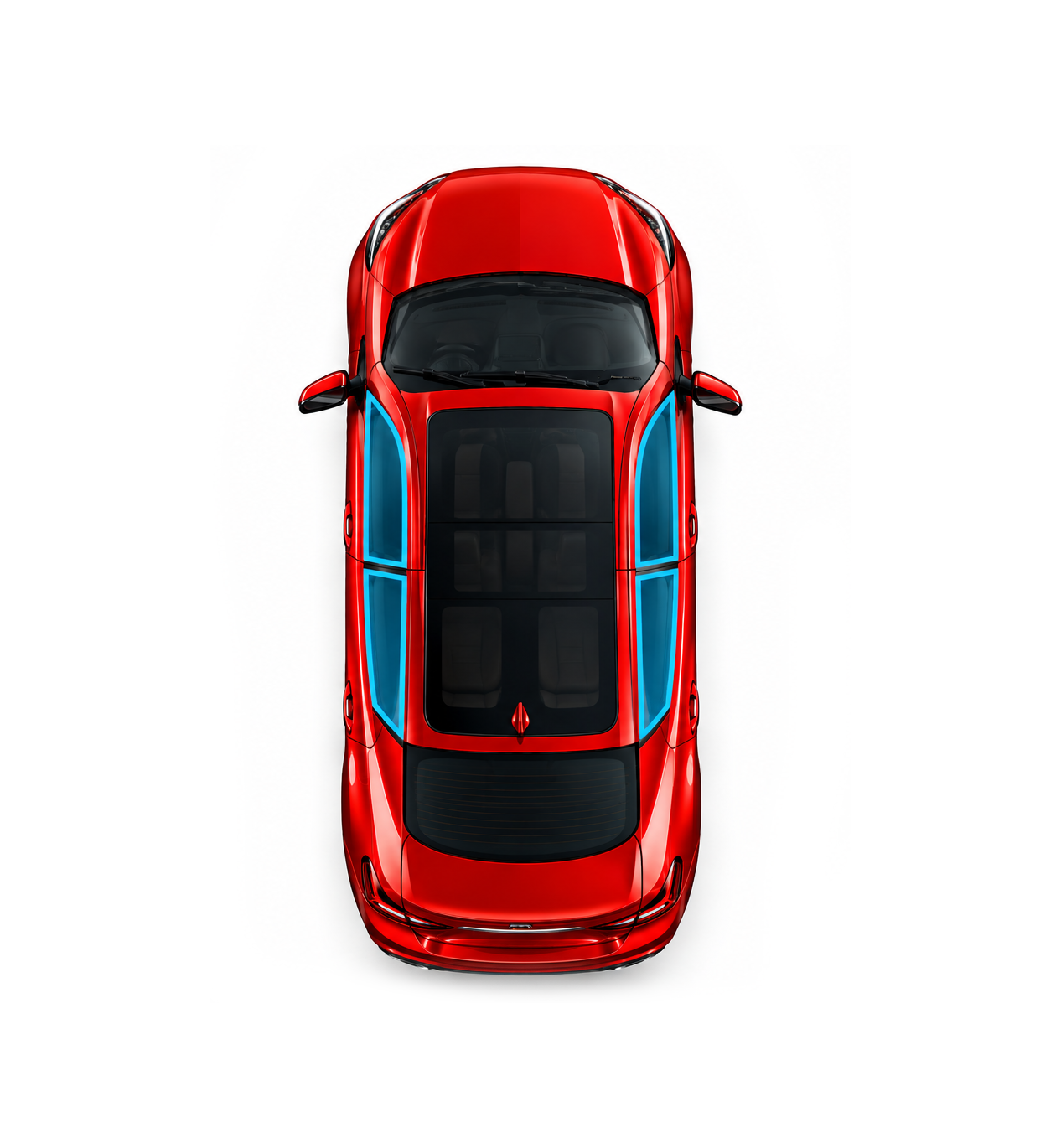
Top view of a car: windscreen and rear glass need at least 70% VLT Side view of a car: side glasses need at least 50% VLT
Windscreen & rear — min 70% Side glasses — min 50%
✓

Only certain Ultraguard shades clear the legal VLT bar. Ask us which.

Government of India Norms

What CMV Rule 100 Says

Rule 100 of the Central Motor Vehicles Rules, 1989 governs the glass on every motor vehicle in India. It was amended by the Ministry of Road Transport & Highways in July 2020 to recognise safety glazing alongside safety glass.

Central Motor Vehicles Rules, 1989
Rule 100 — Safety Glass & Safety Glazing
GSR
457(E)
  1. The windscreen and window glass of every motor vehicle shall be safety glass or safety glazing — including agricultural tractors, construction equipment vehicles and combine harvesters fitted with a cabin.
  2. Safety glass or safety glazing must conform to IS 2553 (Part 2) (Revision 1): 2019, as amended from time to time.
  3. Visual transmission of light through the windscreen and rear window shall be not less than 70%.
  4. Visual transmission of light through the side windows shall be not less than 50%.
  5. The owner of every motor vehicle shall maintain this level of light transmission through the safety glass or safety glazing.
  6. Transparent acrylic or plastic sheets are permitted for L5 category vehicles (three-wheelers) and vehicles with side covers and hoods.

Plain-language summary of Rule 100 as amended by G.S.R. 457(E). For the exact legal wording, refer to the Gazette of India. See References.
How the Law Evolved

From A Ban to Safety Glazing

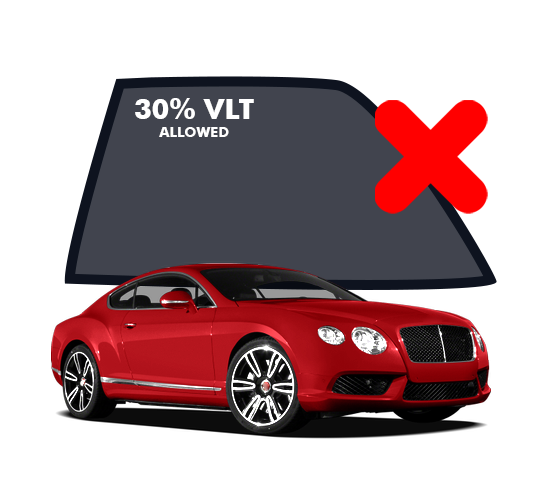
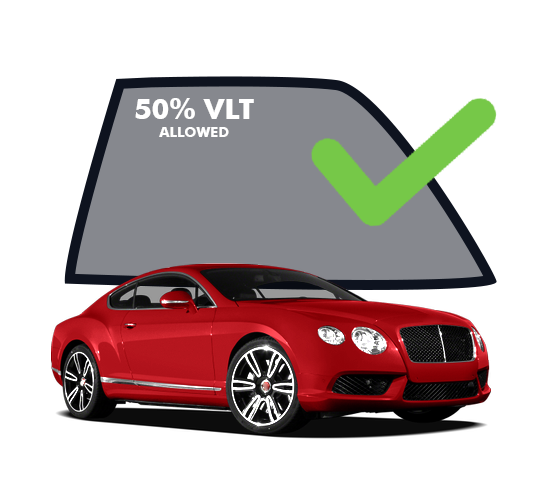
Why people still say 'sun film is banned.' And what changed.

1989
1989

CMV Rules Notified

Rule 100 makes safety glass mandatory for windscreens and windows.

Ref [1]
2012
27 April 2012

Supreme Court Order

In Avishek Goenka v. Union of India, the Supreme Court directed that no black film or any other material be pasted on windscreens and side glasses. Offending vehicles were to be challaned and the films removed.

Ref [5]
2020
20 July 2020

G.S.R. 457(E) Notified

MoRTH amends Rule 100 to allow safety glazing conforming to IS 2553 (Part 2) (Revision 1): 2019, with 70% / 50% minimum VLT.

Ref [2] [3]
2021
1 April 2021

Amendment in Force

Safety glazing that conforms to the standard and stays within the VLT limits is recognised under the rules. Select Ultraguard tints are tested to meet these limits.

Ref [4]
2024
10 September 2024

Kerala High Court Ruling

The court notes that the 2012 order dealt with the unamended rule. It holds that owners can apply safety glazing if it keeps to the VLT limits and the Indian standard. A state-level ruling.

Ref [6]
Transparency Check

See What a VLT Number Looks Like

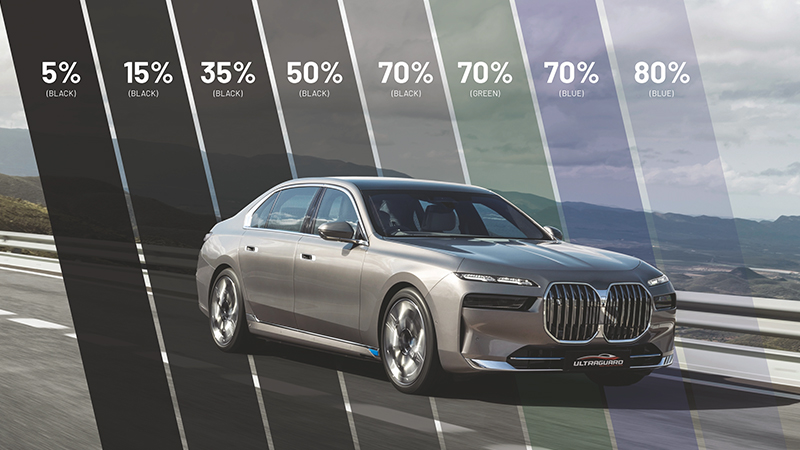
The law measures glass and film together. Pick a film shade and your glass clarity to see the estimated combined reading, how dark it looks from inside, and whether it should clear the minimum for each glass position.

Windscreen min 70% ✓ OK
70%Visible light transmission
80%
5% · Very dark90% · Clear
88%
70% · Factory-tinted92% · Very clear
Film 80%×Glass 88%≈Combined 70%
Windscreen & rear glass (min 70%)
Side glasses (min 50%)

An estimate for illustration only. The same film measures differently on different glass, so always ask for a VLT meter reading after installation.

Real-World Transparency

Clear Enough To Stay Legal

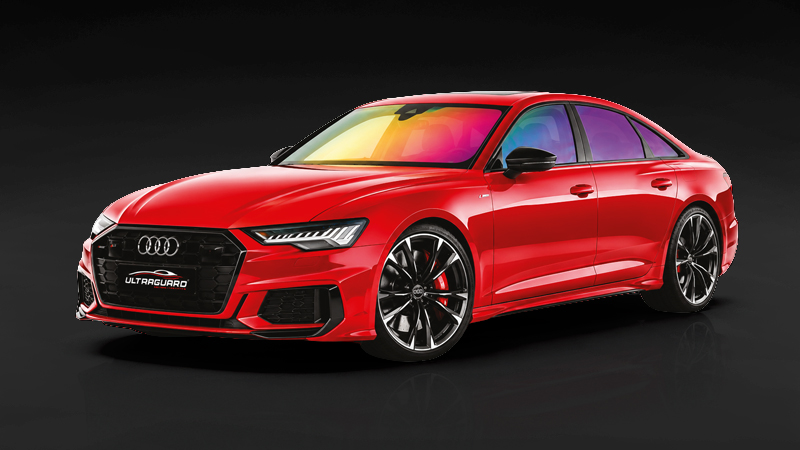
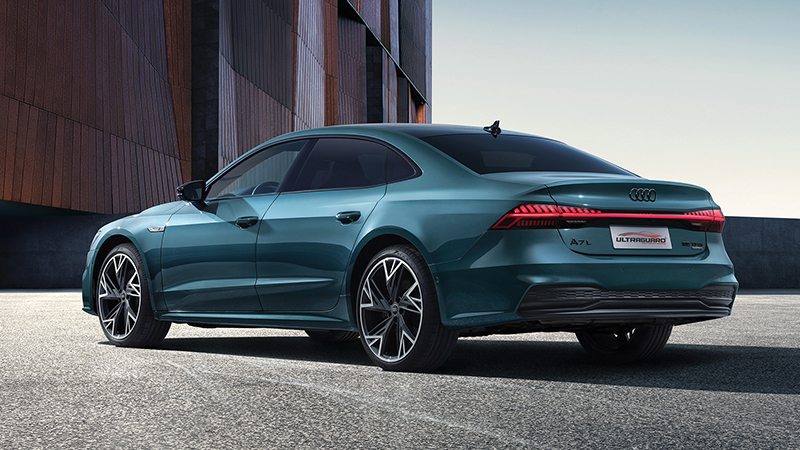
How compliant Ultraguard window film looks on side glass and on the front and rear screens.

Side Glass

Side Glass

Minimum 50% VLT on side windows.

Side Glass

Side Glass

Minimum 50% VLT on side windows.

Front Rear

Front & Rear

Minimum 70% VLT on the windscreen and rear glass.

VLT Meter

Measured, Not Guessed

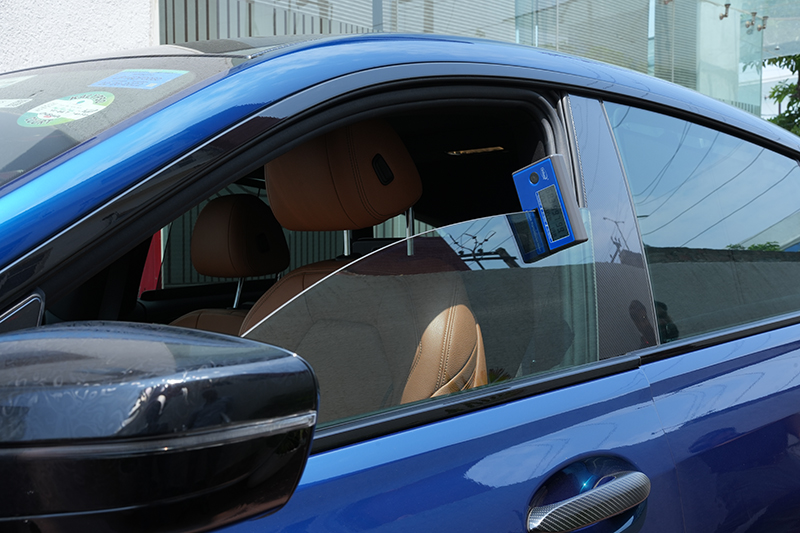
A VLT meter reads how much light passes through your windows, so you can check it against the 70% and 50% limits.

  • Reads glass and film together
  • Checks whether windscreen & rear glass reach 70% or more
  • Checks whether side glasses reach 50% or more
  • Ask your Ultraguard installer for a reading after fitting
VLT Meter
VLT Meter
Ultraguard Window Tint

Legal Shade. Full Performance.

Staying within the VLT limits doesn't mean giving up comfort.

UV Protection

Helps block harmful UV rays, protecting you, your passengers and car's interior.

Heat Reduction

Helps reject heat for a cooler, more comfortable cabin, even in peak summer.

Privacy and Style

A clean tinted finish for style and privacy. Stick to approved shades.

Glare Reduction

Softens harsh glare from the sun and headlights for more comfortable driving.

Choosing a Compliant Film

  • Select film shades that meet the legal VLT for each glass position.
  • Prefer films that reject heat and UV without reducing VLT below legal limits.
  • Request a VLT meter reading after installation for confirmation.
  • Choose an authorised Ultraguard installer — they are trained to advise on compliant shades and fit film cleanly for optical clarity.

Disclaimer

Regulations may change, and enforcement may vary by state. The customer is responsible for ensuring their chosen film complies with the laws applicable to their location.

Ultraguard provides this information as general guidance only, not legal advice. CMV Rule 100 and IS 2553 (Part 2) are subject to periodic amendments. Check the current text on the MoRTH website or in the Gazette of India before installation.

Ultraguard Window Film Collection

Pick a Shade. Check the Number.

Our automotive window films and the VLT shades they come in. Each shade shows its estimated combined reading on 88% glass (set in the checker above). Tap a shade to try it there. Estimates only. Your glass may read lower.

70%+ on glass · Windscreen, rear & side 50–69% · Side glass only Below 50% · Not for road use in India
NCT Films window film 8 YR Warranty
Nano Ceramic Tint

NCT Films

IRR ≥96% UV 99%
Explore Film
Sputter Film window film 10 Yr Warranty
One-Way Vision Sputter Tint

Sputter Film

IRR ≥95% UV 99%
Explore Film
Carbon Window Film window film 3 & 5 YR Warranty
Carbon Ceramic

Carbon Window Film

IRR ≥60% UV 99%
Explore Film
Chameleon Window Film window film 10 YR Warranty
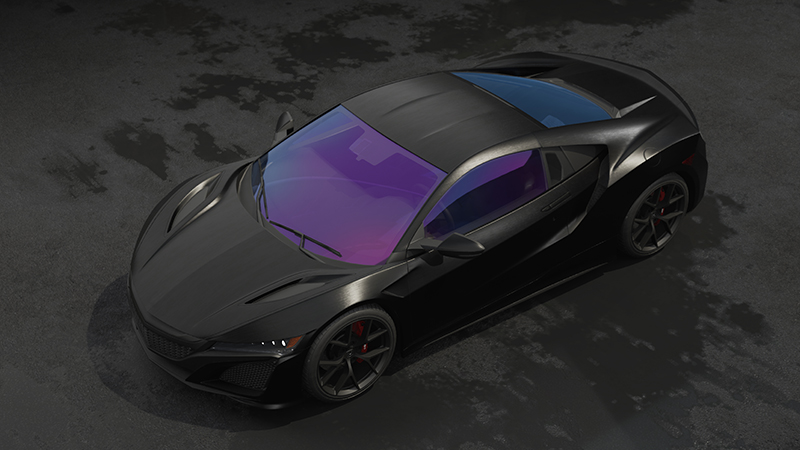
Color-shift

Chameleon Window Film

IRR ≥98% UV 99%
Explore Film
Magnetron Sputtering Film window film Lifetime Warranty
Multi-layer Tint

Magnetron Sputtering Film

IRR ≥95% UV 99%
Explore Film
Magnetron Sputtering Aurora Purple Film window film Lifetime Warranty
Metallic Layers

Magnetron Sputtering Aurora Purple Film

IRR ≥95% UV 99%
Explore Film

The bold percentage is the VLT of the film alone; the "on glass" figure is an estimate. Your authorised installer will recommend the right shade for your car and confirm the final reading with a VLT meter.

References

Sources & Citations

The information on this page is drawn from the following official notifications, standards and judgments.

  1. RulesCentral Motor Vehicles Rules, 1989: Rule 100Motor Vehicles Act, 1988
    Click Here
  2. Gazette NotificationG.S.R. 457(E), 20 July 2020Central Motor Vehicles (Seventh Amendment) Rules
    Click Here
  3. Press ReleaseMoRTH notifies regulations under CMVRPress Information Bureau, Government of India.
    Click Here
  4. Indian StandardIS 2553 (Part 2) (Revision 1): 2019Bureau of Indian Standards (BIS)
    Click Here
  5. Supreme Court JudgmentAvishek Goenka v. Union of India.Writ Petition (Civil) No. 265 of 2011, 27 April 2012
    Click Here

Last reviewed: 9 October 2026. This page is a plain-language summary for general guidance, not legal advice. Rules may be amended and enforcement may vary by state. Always refer to the latest official text.

Window Film Laws

Frequently Asked Questions

Yes, if it meets the rule. Since 1 April 2021, Rule 100 of the CMV Rules (as amended by G.S.R. 457(E)) recognises safety glazing that conforms to IS 2553 (Part 2) (Revision 1): 2019. Windscreen and rear glass must transmit at least 70% of visible light, and side glasses at least 50%. Anything darker isn’t permitted.
In Avishek Goenka v. Union of India (27 April 2012), the Supreme Court directed that no black film or other material be pasted on windscreens and side glasses of vehicles. That order came before the 2020 amendment introduced safety glazing. Enforcement practice can vary between states, so keep your installation invoice and VLT reading with you.
On the glass and film together. Factory glass already blocks some light, so the final reading on your car is always lower than the film’s own VLT. A VLT meter gives the real combined number after fitting.
The rule places the duty on the vehicle owner to maintain the required light transmission. Choose a compliant shade with your installer and ask for a meter reading.
No. If the combined reading falls below 50%, the glass doesn’t meet Rule 100 in any position on a road vehicle in India. A 5% or 35% film always goes below that.
The legal limit of window tints in India is 70% for the front and rear windshield and 50% for the side windows. If you choose a non-compliant film, the result can be a fine, challan or instant removal of the window film.
The Ministry of Road Transport and Highways (MoRTH) manages window tinting laws in India through the Central Motor Vehicles Rules (CMVR), 1989. Enforcement of these laws, penalty collection, and compliance monitoring are managed by the Regional Transport Office (RTO). These laws are also subject to change via the Hon’ble Supreme Court of India.
When you visit an installer for window tint application, ask them to measure the film with a window tint meter. This equipment shows the VLT, IR rejection and TSER of the film. After the demonstration, you can choose a film that sits within the legal parameters.
Yes. Strict compliance with tinting laws is mandatory in India. Failing to comply can lead to immediate legal, financial, and procedural penalties. Traffic police will issue an on-spot or electronic challan. Fines start around ₹100 to ₹500 for a first offence under Section 177 of the Motor Vehicles Act and can scale up to ₹5,000. Police can also order on-spot removal.
Yes, you can. Factory-tinted glass is usually very light and can fail to reject significant heat and UV, so window tinting is still an option. But note that the legal limit applies to the VLT of your glass and film together. If your glass is 80% VLT and you choose a 70% VLT film on top of it, the combined reading will be about 56%, which is fine for side glass but below the 70% needed for the windscreen and rear glass.

Choose Window Film That Meets Indian Safety Regulations

Understand India's VLT regulations and explore Ultraguard's compliant automotive window film solutions.

WhatsApp